How to Remove a Flapper Valve from a Toilet
The flapper valve in your toilet is a small but crucial component that controls water flow from the tank to the bowl during a flush. Over time, flapper valves can wear out, leading to issues like constant running water or inefficient flushing. Replacing or repairing the flapper valve is often necessary, but the first step is removing it correctly. If you’re in need of guidance or prefer professional assistance, contacting a Carlsbad plumber or a local plumber in Carlsbad can ensure the job is done right. However, if you’re ready to tackle this project on your own, follow the steps below.
Tools and Materials Needed
Before you begin, gather the following tools and materials:
- A pair of rubber gloves (optional, but recommended)
- A sponge or towel
- A bucket
- Replacement flapper valve (if needed)
Having these items on hand will make the process smoother and more efficient.
Step-by-Step Guide to Removing a Flapper Valve
Step 1: Turn Off the Water Supply
Locate the shutoff valve near the base of the toilet, typically on the wall or floor. Turn the valve clockwise to stop the flow of water to the toilet. This step is essential to avoid flooding or unnecessary water waste.
Step 2: Drain the Toilet Tank
Flush the toilet to empty as much water as possible from the tank. Use a sponge or towel to soak up any remaining water in the tank and place it into a bucket. Ensuring the tank is dry makes the removal process cleaner and easier.
Step 3: Locate the Flapper Valve
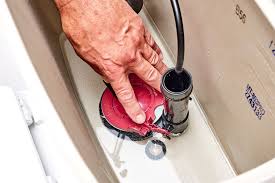
Lift the lid of the toilet tank and set it aside carefully to avoid damage. Inside the tank, you’ll see the flapper valve at the base, connected to the overflow tube and the flush handle by a chain or lever.
Step 4: Disconnect the Chain
The flapper valve is connected to the toilet’s flush handle with a small chain. Detach the chain by unhooking it from the handle lever. Pay attention to how it’s connected, as you’ll need to reattach it later if replacing the flapper.
Step 5: Remove the Flapper Valve
The flapper valve is usually secured to the overflow tube with side ears or hooks. Gently slide the flapper valve off these hooks or unsnap it, depending on the design. Be careful not to apply too much force, as you could damage the overflow tube.
Step 6: Inspect the Flapper Valve
Once removed, inspect the flapper valve for signs of wear and tear, such as cracks, warping, or a deteriorated seal. If the flapper valve is damaged, it’s best to replace it with a new one. Most hardware stores carry universal or model-specific flapper valves, and a local plumber in Carlsbad can recommend the right type for your toilet.
Tips for Success
- Match the Replacement Flapper: If you’re replacing the flapper valve, bring the old one with you to the store to ensure you purchase a compatible replacement.
- Test for Leaks: After installing the new flapper valve, turn the water supply back on and test the toilet for leaks or issues. Adjust the chain length if necessary to ensure proper flushing.
- Regular Maintenance: Periodically check your flapper valve for signs of wear to avoid unexpected plumbing problems.
When to Call a Professional
While removing a flapper valve is a relatively simple DIY task, some situations may require professional help. If the flapper valve removal process reveals additional plumbing issues, such as a cracked overflow tube or persistent leaks, it’s best to contact a Carlsbad plumber. Local plumbers in Carlsbad are experienced in diagnosing and fixing toilet problems efficiently.
Additionally, if you’re uncomfortable working with toilet components or if the problem persists after replacing the flapper valve, a professional plumber can ensure the issue is resolved correctly.
Conclusion
Removing a flapper valve from your toilet is a straightforward task that can save water and prevent costly repairs. By following the steps outlined above, you can handle the removal process with ease. However, if you encounter complications or prefer to leave the job to an expert, reaching out to a Carlsbad plumber or a local plumber in Carlsbad is always a smart choice. Whether you’re tackling the repair yourself or seeking professional assistance, addressing a faulty flapper valve promptly will keep your toilet functioning efficiently.