How to Unclog a Drain: Causes, Solutions, and Prevention Tips
How to unclog drains
Blocked drains can make doing the laundry impossible, will result in stinky smells (which can come from anywhere), and eventually cause water damage if not treated immediately. Irrespective of which Drain in your house is backing up (e.g., slow draining kitchen sink; shower backed up with water; clogged bathroom sink) learning how to unclog drains can give you the information to pick the best method for clearing the blockage.
The majority of household Drain clogs occur due to the accumulation of Grease, hair, soap scum, food debris, and miscellaneous material inside plumbing pipes which results in restricted water flow.
Why do drains get clogged?
Clogged drains are caused by a collection of materials that restrict water flow within plumbing pipes.
soap scum & hair: soap scum accumulates with hair in bathroom sinks, bathtubs and showers.
Grease & cooking oil: Grease cools down and solidifies in kitchen pipes causing food to be trapped.
Food waste: Coffee grounds, rice, pasta, and fibrous foods will often collect in kitchen plumbing.
Foreign objects: paper towels, sanitary Wipes, personal care items and similar foreign materials can block toilets and sewer lines.
Hard water deposits: gradual hard water deposit build-up may restrict water flow through pipes and/or cause damage.
Tree Roots: tree Roots growing into damaged underground sewer pipes may continue to cause ongoing obstructions.
Knowing why your drains get clogged will help you decide whether a simple cleaning process or calling a professional Drain service is required.
Five easy methods for clearing a blocked Drain
1. Eliminate visible obstacles
Begin by looking at the Drain opening to see what you can remove. Gloves should be worn and a suitable Drain cleaning device used whenever possible.
In bathroom drains, a plastic Drain hair remover will help pull out hair caught near the opening. Be careful not to push the debris further into the pipe.
2. Run hot water when possible
Using hot running tap water may help soften some soap residue or Grease-based substances in kitchen pipes. Only run this method after you have removed any visible debris.
Do not pour boiling water down the Drain – particularly when working with materials such as caulk, glue or other sealants or fixtures that may melt under high temperatures. Hot water does not always successfully clear all types of clogs.
3. Use a Plunger
Plungers can provide both the suction force to break up most ordinary sink, bathtub and toilet clogs, and the pressure needed to dislodge them.
Pick the correct Plunger for the fixture you are working on. Make sure there is enough water in the sink to cover the Plunger cup. Place the Plunger firmly over the Drain and perform several controlled plunges. On sink faucets that have an overflow outlet, closing off the overflow can increase the effectiveness of the suction.
You should never use a Plunger after adding a chemical Drain cleaner. The possibility exists that you could splash yourself with the chemical and injure yourself.
4. Clean your sink’s Drain trap
A sink’s p-trap is the curved portion of the sink Drain that holds debris and prevents sewer gas from getting into your house.
Put a pail under the area you plan to clean so you do not spill any debris while cleaning. Carefully remove and clean the p-trap if you feel capable of doing a little bit of basic plumbing work. Be sure to follow your manufacturer’s instructions for special connectors. Also, be sure to secure all joints properly after reconnecting everything. If you have trouble disconnecting the p-trap or if it has been corroded or damaged beyond repair, call a plumber.
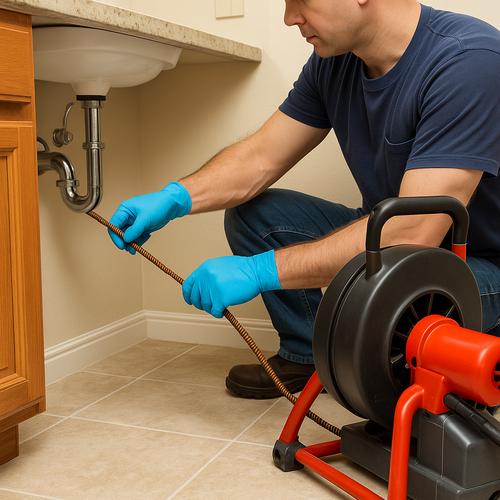
5. Use a Drain snake
Drain snakes, or plumbing augurs, reach into drains to either cut through or pull out tough clogs. Work carefully feeding the snake into your Drain, turn as instructed, and back slowly out.
Use a toilet augur specifically designed for toilets to prevent scratching your toilet’s porcelain finish. If your snake encounters resistance again and again or does not seem to accomplish anything else, you may need professional equipment to remove your Clog.
When should i call a professional plumber?
There are times when you will need more than just standard household tools to fix your Drain issues. Contact a certified plumber when multiple drains become clogged at once, sewage backs up into one or more sinks or tubs or if your clogs continuously recur after they have been cleaned.
Sounds like gurgling? Repeated sewer odors? Or if sewage flows backward through lower level fixtures? These symptoms indicate you have an issue with your main sewer line. There are likely tree Roots in your sewer line, or your pipes are damaged or severely clogged. A sewer camera inspection, a mechanical Drain cleaning procedure or a hydro-jetting process may be required to fix these problems.